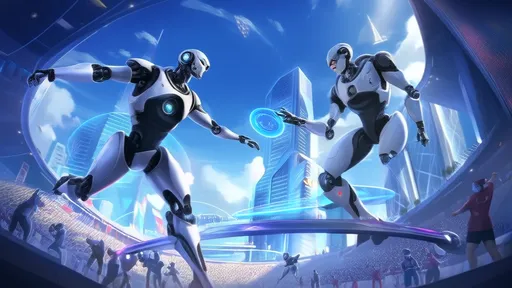
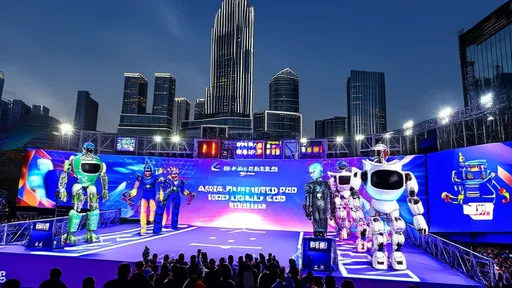
The coastal city of Qingdao is currently hosting the 2025 Asia-Pacific RoboCup, an event that has transformed the city into a global epicenter for robotics innovation and competition. From the moment the opening ceremony concluded, the atmosphere has been electric with the hum of servos and the focused energy of engineers, researchers, and students from over forty countries. This is more than a tournament; it is a grand symposium where the future of autonomous systems is being written in real-time, through passes made by soccer-playing robots and rescues simulated by search-and-rescue androids.
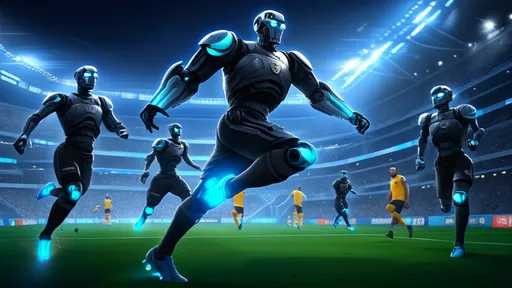
The scale of the event is staggering. The convention center, a sprawling complex by the sea, has been partitioned into various leagues and challenges, each a world of its own. The most visually captivating remains the RoboCup Soccer league, where humanoid robots, with gaits ranging from confident strides to comical waddles, chase an infrared-emitting ball across a miniature pitch. The cheers from the audience are not for flawless play—stumbles and falls are frequent—but for the breathtaking displays of machine learning and adaptive strategy. A team from Japan, for instance, executed a set-piece corner kick that ended in a graceful header, a maneuver that drew a standing ovation and represented years of algorithmic refinement.
Beyond the soccer fields, the RoboCup Rescue competition presents a starkly different, more sobering spectacle. Here, in a meticulously constructed disaster zone of rubble and debris, larger, more rugged robots are put to the test. Their mission is to navigate unstable terrain, identify simulated victims using thermal and auditory sensors, and deliver aid. The tension is palpable as operators, watching from monitors, guide their creations through perilous gaps. A German team’s tracked robot successfully located all "survivors" in record time, its movements a testament to advancements in computer vision and mobility in unstructured environments.
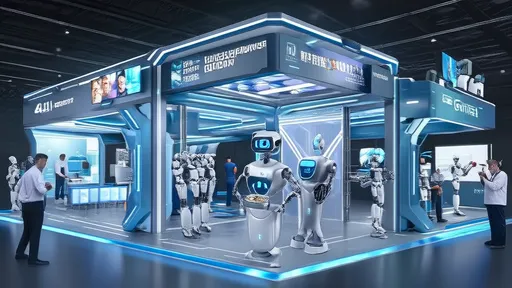
The @Home league offers a glimpse into a near-future domestic reality. In a series of staged apartment settings, service robots are tasked with assisting humans—fetching items, following verbal commands, and even preparing simple meals. The interactions are charming and sometimes hilariously awkward, highlighting the immense challenge of creating machines that can understand the nuance and chaos of human living spaces. A robot from South Korea, for example, adeptly navigated a request to find a specific brand of juice in a cluttered refrigerator, while another from the United States struggled to distinguish between a salt shaker and a pepper mill, much to the amusement of onlookers.
What makes the Asia-Pacific RoboCup truly unique is its intense spirit of collaboration that exists alongside the competition. The pit areas, open to the public, are where the real magic happens. Here, a university team from Australia can be seen sharing code snippets with rivals from India. A veteran professor from China offers impromptu advice to a group of anxious high school students from Thailand whose robot has developed a mysterious limp. This open exchange of knowledge is a core tenet of the RoboCup community, founded on the belief that accelerating robotics benefits all of humanity. It’s not uncommon to see a team celebrating a competitor’s success as if it were their own.
The economic and educational implications of the tournament ripple far beyond the competition halls. For Qingdao, a city with burgeoning ambitions in high-tech manufacturing, the event is a powerful showcase. Local officials have been keen to highlight the city’s investment in tech parks and research institutes, hoping to attract talent and investment. Simultaneously, thousands of local school children have been ushered through the exhibits, their eyes wide with wonder. For many, this is their first encounter with advanced robotics, an experience that could ignite a passion for science and engineering and shape their career paths for years to come.
As the 2025 competition moves into its final rounds, the outcomes of the matches, while exciting, feel almost secondary. The true victory lies in the collective progress demonstrated on the floor. Each passed ball, each identified survivor, and each correctly fetched object represents a tiny leap forward for the field. The stated goal of the RoboCup initiative—to develop a team of fully autonomous humanoid robots capable of defeating the human world champion soccer team by 2050—once seemed a fanciful dream. Here in Qingdao, with every whirring joint and processed command, that dream feels incrementally more tangible. The robots aren't just playing games; they are paving the way for a new era of human-robot collaboration.

By /Aug 27, 2025
By /Aug 27, 2025

By /Aug 27, 2025

By /Aug 27, 2025
By /Sep 12, 2025

By /Aug 27, 2025
By /Sep 12, 2025

By /Aug 27, 2025
By /Aug 27, 2025
By /Sep 12, 2025
By /Sep 12, 2025
By /Sep 12, 2025

By /Aug 27, 2025
By /Sep 12, 2025
By /Sep 12, 2025
By /Sep 12, 2025

By /Aug 27, 2025
By /Sep 12, 2025
By /Sep 12, 2025

By /Aug 27, 2025