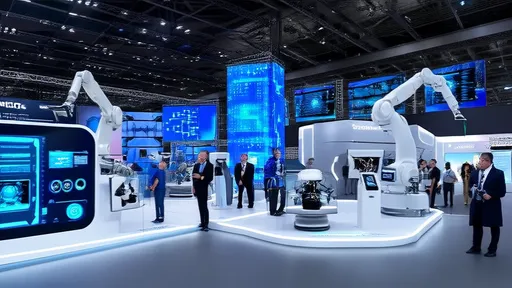
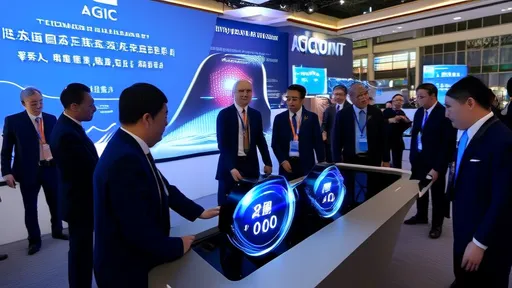
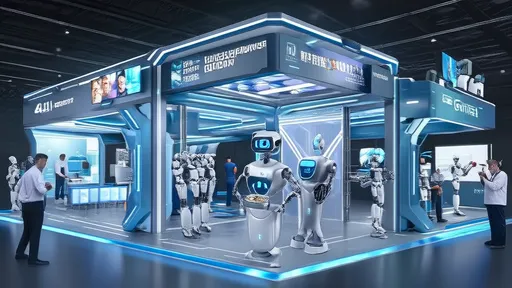
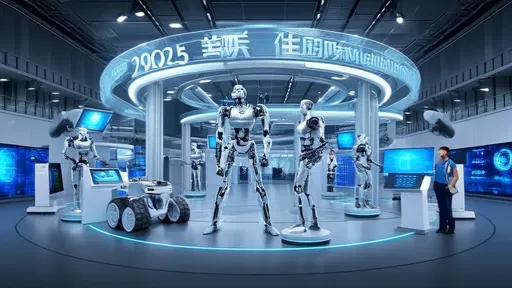
The coastal city of Qingdao recently played host to the highly anticipated Artificial Intelligence Plus Application Exhibition, an event that brought together leading enterprises and innovators to demonstrate the transformative power of AI across various industries. Against the backdrop of rapid technological advancement, the exhibition served as a dynamic platform for companies to showcase their latest breakthroughs, fostering collaboration and highlighting the practical integration of artificial intelligence into everyday scenarios.
One of the standout features of the exhibition was the emphasis on real-world applications rather than theoretical concepts. Companies from sectors such as healthcare, manufacturing, logistics, and smart cities presented tangible solutions that are already making a difference. For instance, in the healthcare segment, several firms displayed AI-driven diagnostic tools that can analyze medical images with remarkable accuracy, potentially reducing human error and improving patient outcomes. These tools are not just futuristic ideas; they are being deployed in hospitals and clinics, offering a glimpse into the future of medical care.
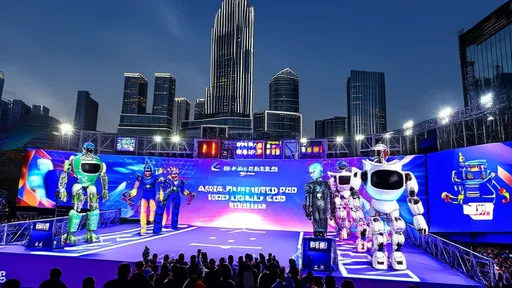
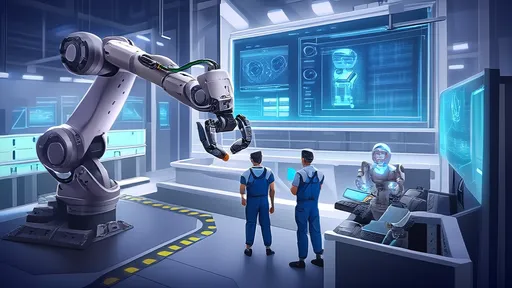
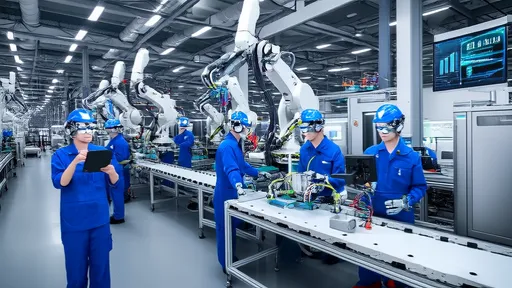
In the manufacturing sector, the focus was on intelligent automation and predictive maintenance. Leading robotics companies demonstrated how AI-powered systems can optimize production lines, enhance efficiency, and minimize downtime. By leveraging machine learning algorithms, these systems can predict equipment failures before they occur, allowing for proactive maintenance that saves both time and resources. This application of AI is particularly crucial as industries worldwide strive to increase productivity while reducing operational costs.
The logistics and supply chain industry also received significant attention at the event. With global trade becoming increasingly complex, AI solutions are being employed to streamline operations, from warehouse management to last-mile delivery. Companies showcased advanced algorithms that can optimize routing in real-time, taking into account variables such as traffic conditions, weather, and delivery windows. These innovations not only improve efficiency but also contribute to sustainability efforts by reducing fuel consumption and emissions.
Smart city technologies were another highlight, with exhibits focusing on how AI can enhance urban living. From intelligent traffic management systems that alleviate congestion to AI-driven public safety platforms that analyze surveillance data for threat detection, the potential for creating safer, more efficient cities was evident. One particularly impressive demonstration involved a city-wide IoT network integrated with AI analytics to monitor environmental factors like air quality and noise levels, providing valuable data for urban planners and policymakers.
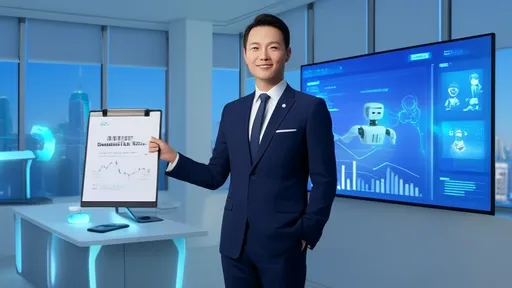
Beyond these sectors, the exhibition also featured innovations in finance, education, and entertainment. In finance, AI is being used to detect fraudulent activities and assess credit risk with unprecedented precision. Educational technology firms presented adaptive learning platforms that personalize content based on individual student performance, making education more accessible and effective. Meanwhile, in the entertainment industry, AI-driven content creation tools are opening new possibilities for filmmakers, musicians, and game developers, allowing them to push the boundaries of creativity.
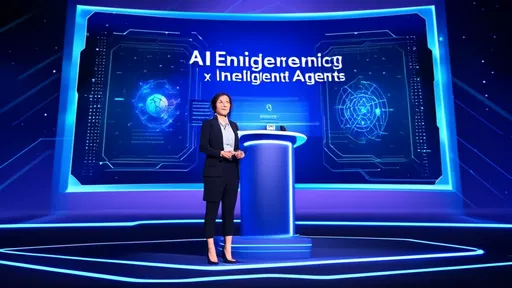
The event was not just about showcasing technology; it also facilitated meaningful discussions on the ethical implications and future directions of AI. Panels and workshops addressed topics such as data privacy, algorithmic bias, and the societal impact of automation. Experts emphasized the importance of developing AI responsibly, ensuring that it benefits all segments of society without exacerbating existing inequalities. These conversations underscored the need for a collaborative approach involving policymakers, industry leaders, and academia to navigate the challenges ahead.
Networking opportunities abounded, with attendees including entrepreneurs, investors, researchers, and government officials. The exhibition provided a fertile ground for forging partnerships that could accelerate the adoption of AI technologies. Many participants left with new ideas and connections that could lead to groundbreaking projects in the near future. The vibrant atmosphere reflected the excitement and optimism surrounding the potential of AI to drive innovation and economic growth.
In conclusion, the Artificial Intelligence Plus Application Exhibition in Qingdao successfully highlighted the practical and diverse applications of AI across multiple industries. By bringing together key players and showcasing tangible solutions, the event demonstrated how artificial intelligence is not just a theoretical concept but a powerful tool that is already reshaping the world. As these technologies continue to evolve, they promise to unlock new opportunities and address some of the most pressing challenges facing society today.

By /Aug 27, 2025
By /Aug 27, 2025
By /Aug 27, 2025

By /Aug 27, 2025
By /Sep 12, 2025

By /Aug 27, 2025
By /Sep 12, 2025
By /Aug 27, 2025
By /Aug 27, 2025

By /Sep 12, 2025
By /Sep 12, 2025

By /Sep 12, 2025
By /Aug 27, 2025
By /Sep 12, 2025
By /Sep 12, 2025
By /Sep 12, 2025

By /Aug 27, 2025
By /Sep 12, 2025
By /Sep 12, 2025

By /Aug 27, 2025