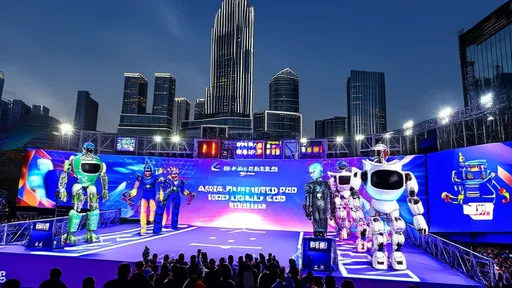
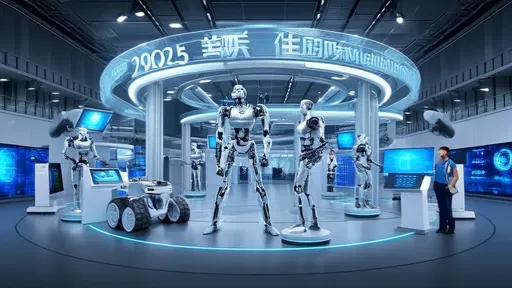
The robotics industry witnessed a significant milestone this week as the International Smart Robotics Exhibition unveiled its groundbreaking showcase, bringing together forty leading enterprises to demonstrate real-world applications across ten distinct scenarios. Unlike traditional tech expos that often focus on theoretical concepts or isolated product displays, this event deliberately blurred the lines between exhibition and reality, creating immersive environments where robots interacted with simulated real-world conditions.
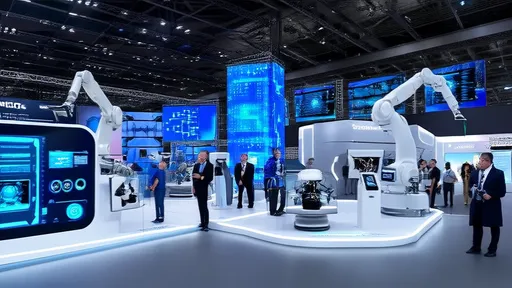
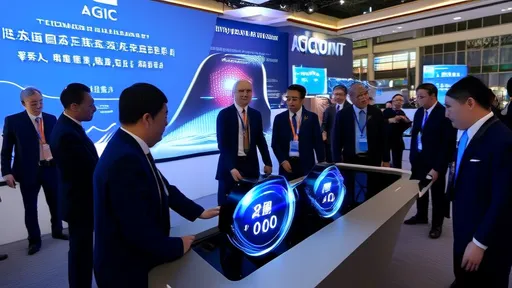
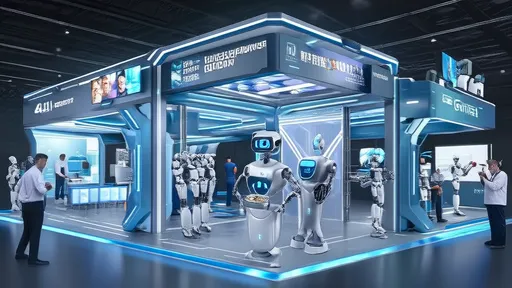
Walking through the exhibition hall felt less like visiting a trade show and more like stepping into a carefully orchestrated vision of the near future. Each of the ten application scenarios had been transformed into lifelike settings, complete with contextual elements that allowed visitors to witness robotic solutions operating in environments that mirrored actual implementation conditions. From smart manufacturing floors to urban transportation hubs, from healthcare facilities to agricultural fields, the exhibition provided a comprehensive glimpse into how robotics technology is poised to transform entire industries.
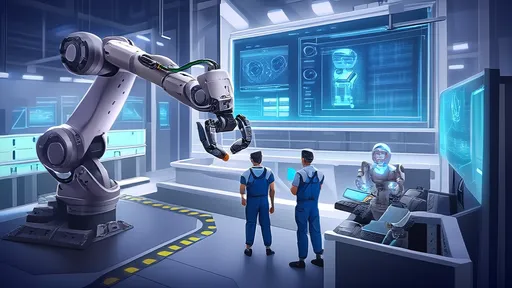
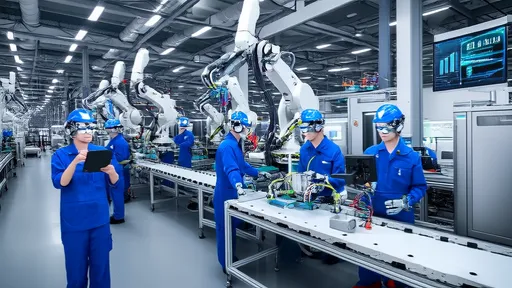
Manufacturing and logistics emerged as particularly strong themes, with multiple companies demonstrating how collaborative robots can work alongside human workers to enhance productivity and safety. In one simulated factory setting, autonomous mobile robots navigated through crowded spaces while robotic arms performed precision assembly tasks. The seamless coordination between different robotic systems from various manufacturers suggested that the industry is moving toward greater interoperability and standardization.
The healthcare scenario proved especially compelling, featuring robotic systems capable of assisting surgeons, providing patient care, and managing medical logistics. Visitors observed robotic exoskeletons helping rehabilitation patients walk, while in another area, disinfection robots autonomously navigated hospital corridors. What made these demonstrations remarkable was their immediate practicality – many of the showcased technologies are already deployed in real healthcare settings, with exhibitors sharing concrete data about improved patient outcomes and operational efficiencies.
Service and hospitality applications generated considerable excitement, particularly robotic systems designed for hotels, restaurants, and retail environments. From concierge robots that could recognize returning guests to automated kitchen assistants that prepared meals with consistent quality, these demonstrations highlighted how robotics can enhance customer experiences while addressing labor challenges in the service sector. The natural language processing capabilities displayed by many of these service robots demonstrated significant advances in human-robot interaction.
Perhaps the most visually impressive scenario involved urban infrastructure and public safety, where drones and ground robots collaborated to monitor city environments and respond to emergencies. Visitors watched as drone swarms performed coordinated aerial maneuvers while communicating with ground-based robotic units that could navigate complex urban terrain. The exhibition demonstrated how such systems could be deployed for tasks ranging from traffic management to disaster response, suggesting a future where robotic systems become integral to urban management.
Agricultural robotics represented another area of intense innovation, with companies demonstrating autonomous tractors, precision harvesting systems, and AI-powered crop monitoring solutions. These agricultural robots showcased capabilities that went beyond simple automation, incorporating advanced sensors and machine learning algorithms to make real-time decisions about planting, irrigation, and harvesting. The demonstrated systems addressed pressing global challenges around food security and sustainable farming practices.
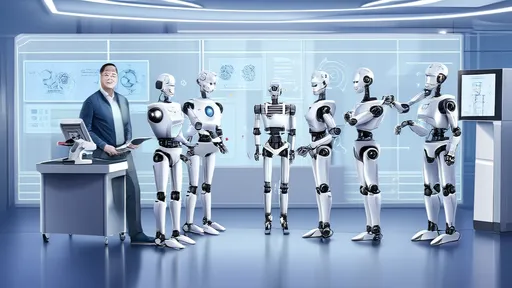
Educational and research applications formed a crucial component of the exhibition, with several companies focusing on how robotics can transform learning environments. From programmable educational robots that teach coding concepts to advanced research platforms that enable universities to conduct cutting-edge AI research, these demonstrations highlighted the growing importance of robotics in both K-12 and higher education. The exhibition included live coding workshops where visitors could interact with educational robots, emphasizing the accessibility of these technologies.
What set this exhibition apart from previous robotics events was the deliberate emphasis on integration and ecosystem development. Rather than presenting standalone products, companies demonstrated how their solutions worked within broader technological environments, often incorporating IoT devices, cloud computing platforms, and 5G connectivity. This holistic approach reflected the industry's maturation beyond individual components toward comprehensive solutions that address complex real-world challenges.
The participation of forty diverse enterprises – ranging from established industrial automation giants to innovative startups – created a rich tapestry of technological approaches and business models. This diversity suggested that the robotics industry is developing multiple parallel pathways to commercialization and adoption, rather than converging on a single dominant design or approach. The exhibition floor became a microcosm of the broader industry ecosystem, with companies simultaneously competing and collaborating to advance the entire field.
As visitors moved between the ten application scenarios, they could observe both the specialization of robotic systems for particular domains and the underlying technologies that cut across different applications. Computer vision systems, motion planning algorithms, and human-robot interface technologies appeared in various forms across multiple scenarios, suggesting that while applications may be diversifying, the fundamental technological building blocks continue to evolve and improve across the industry.
The exhibition also addressed important questions about the societal impact of robotics, with several scenarios specifically designed to demonstrate how robotic technologies can create positive social outcomes. From robots that assist elderly individuals to maintain independence to environmental monitoring systems that help protect natural resources, the event showcased technology developed with explicit social goals rather than purely commercial objectives. This emphasis on socially beneficial applications reflected growing awareness within the industry about the broader implications of robotics adoption.
Looking beyond the immediate technological demonstrations, the exhibition served as a powerful indicator of how quickly robotics is moving from laboratory curiosity to practical implementation. The maturity of the systems on display, the business partnerships announced during the event, and the concrete use cases presented all pointed toward accelerating adoption across multiple sectors. For many visitors, the most striking realization was not that these technologies are coming in the distant future, but that they are already here and being deployed at scale.
As the exhibition concluded, participants left with a clear sense that the robotics industry has reached an inflection point. The seamless integration of forty companies across ten realistic application scenarios demonstrated both the technical viability and commercial readiness of robotic solutions for numerous real-world challenges. The event successfully transformed abstract concepts about automation and artificial intelligence into tangible experiences that visitors could see, touch, and understand within meaningful contexts.
The success of this innovative exhibition format suggests that the industry may be moving toward more experiential demonstration approaches that better communicate the practical value of robotic technologies. By creating realistic scenarios that allow potential users to see how robots would actually function in their specific environments, exhibitors could accelerate understanding and adoption. This approach particularly benefits applications where the value proposition involves complex interactions or situational adaptability that cannot be captured through traditional product specifications or marketing materials.
Ultimately, the International Smart Robotics Exhibition provided more than just a display of technological capabilities – it offered a vision of how robotics will increasingly become woven into the fabric of daily life and work across multiple domains. The collaboration between forty enterprises to create coherent, realistic application scenarios demonstrated an industry that is maturing beyond isolated technological achievements toward integrated solutions that address comprehensive human needs. As visitors departed, many carried with them not just brochures and business cards, but a transformed understanding of what robotics can actually achieve in the real world.

By /Aug 27, 2025
By /Aug 27, 2025
By /Aug 27, 2025

By /Aug 27, 2025
By /Sep 12, 2025

By /Aug 27, 2025
By /Sep 12, 2025
By /Aug 27, 2025
By /Aug 27, 2025
By /Sep 12, 2025
By /Sep 12, 2025
By /Sep 12, 2025
By /Aug 27, 2025
By /Sep 12, 2025
By /Sep 12, 2025
By /Sep 12, 2025

By /Aug 27, 2025
By /Sep 12, 2025
By /Sep 12, 2025

By /Aug 27, 2025