Qingdao, a coastal city in China's Shandong province, has set its sights on becoming a northern innovation hub for humanoid robotics. The city is channeling significant resources into this cutting-edge sector, aiming to establish itself as a leader in both research and industrial application. With strong governmental support and a growing ecosystem of tech firms, Qingdao is positioning itself at the forefront of robotics innovation.
The push into humanoid robotics is part of a broader strategy to transform Qingdao's economic landscape. Traditionally known for its manufacturing and port activities, the city is now embracing high-tech industries to drive future growth. By focusing on humanoid robots, Qingdao aims to tap into a market with immense potential, from healthcare and elderly care to manufacturing and services. This strategic shift is expected to create new job opportunities and attract top talent from across the country.
Local authorities have been proactive in creating a favorable environment for robotics companies. Policies include tax incentives, grants for research and development, and the establishment of specialized industrial parks. These measures are designed to attract both startups and established players in the robotics field. Additionally, partnerships with universities and research institutions are being strengthened to ensure a steady pipeline of innovation and skilled professionals.
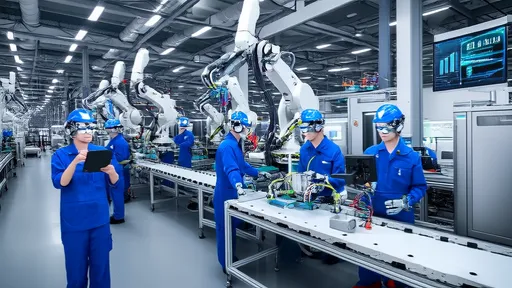
One of the key players in Qingdao's robotics scene is a cluster of companies dedicated to developing humanoid robots with advanced capabilities. These firms are working on everything from bipedal locomotion and dexterous manipulation to artificial intelligence integration. The goal is to create robots that can operate seamlessly in human environments, performing tasks that range from simple chores to complex industrial operations. This focus on practicality and usability is what sets Qingdao's approach apart.
Collaboration between industry and academia is a cornerstone of Qingdao's strategy. Universities in the region, such as Ocean University of China and Qingdao University, are actively involved in robotics research. They are partnering with companies to translate academic discoveries into commercial products. This synergy is accelerating the development of technologies like machine learning, computer vision, and sensor integration, which are critical for the advancement of humanoid robotics.
The city is also investing in infrastructure to support the robotics industry. This includes the development of testing facilities and innovation centers where companies can prototype and refine their products. These centers provide access to state-of-the-art equipment and expertise, reducing the time and cost associated with bringing new robots to market. By offering such resources, Qingdao is lowering the barriers to entry for innovators and entrepreneurs.
Qingdao's ambitions extend beyond domestic markets. The city is keen on establishing itself as a global player in humanoid robotics. To this end, it is fostering international collaborations and participating in worldwide robotics competitions and conferences. These efforts are aimed at showcasing Qingdao's capabilities and attracting foreign investment and partnerships. The ultimate goal is to make Qingdao a recognized name in the global robotics community.
Despite the progress, challenges remain. The development of humanoid robots involves overcoming significant technical hurdles, such as achieving stable mobility and nuanced human-robot interaction. Moreover, there are ethical and societal considerations to address, including the impact on employment and privacy. Qingdao is aware of these issues and is promoting discussions among stakeholders to ensure responsible innovation.
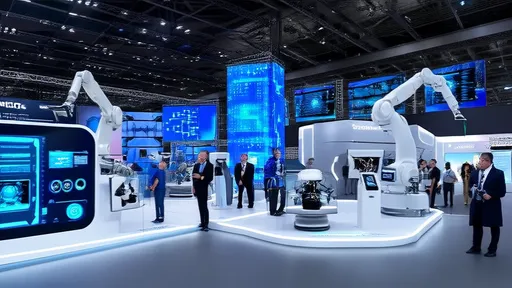
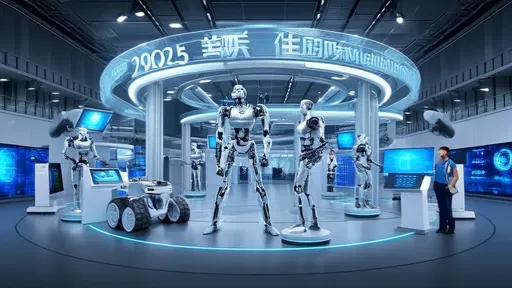
Public engagement is another aspect of Qingdao's strategy. The city is organizing events like robotics expos and public demonstrations to raise awareness and generate excitement about humanoid robots. These events not only educate the public but also help in gathering feedback that can inform future developments. By involving the community, Qingdao hopes to build a society that is receptive to and supportive of robotic technologies.
Looking ahead, Qingdao is committed to sustaining its momentum in the humanoid robotics sector. Plans are underway to expand research funding, enhance international ties, and further develop the local ecosystem. With its strategic location, robust infrastructure, and forward-thinking policies, Qingdao is well on its way to becoming a northern innovation powerhouse for humanoid robotics, contributing to China's broader goals of technological leadership.

By /Aug 27, 2025

By /Aug 27, 2025

By /Aug 27, 2025

By /Aug 27, 2025

By /Sep 12, 2025

By /Aug 27, 2025
By /Sep 12, 2025

By /Aug 27, 2025

By /Aug 27, 2025

By /Sep 12, 2025

By /Sep 12, 2025

By /Sep 12, 2025

By /Aug 27, 2025

By /Sep 12, 2025

By /Sep 12, 2025
By /Sep 12, 2025

By /Aug 27, 2025

By /Sep 12, 2025
By /Sep 12, 2025

By /Aug 27, 2025