Global investment giant Blackstone has initiated a new wave of strategic investments in China's logistics real estate sector, signaling robust confidence in the long-term growth trajectory of the country's supply chain infrastructure. The move comes amid accelerating e-commerce penetration, manufacturing upgrades, and sustained domestic consumption growth, all of which continue to drive demand for modern logistics facilities.
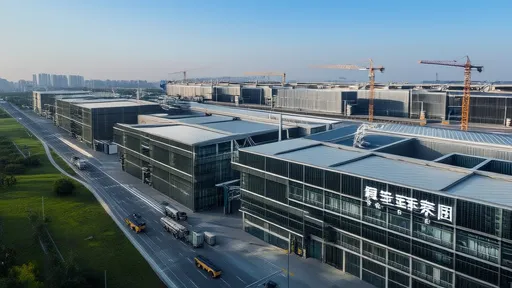
According to several sources familiar with the matter, Blackstone has been actively acquiring and developing logistics assets in key metropolitan areas across China, including the Yangtze River Delta, Pearl River Delta, and Beijing-Tianjin-Hebei region. The firm is reportedly focusing on high-specification warehouses equipped with automation technology, temperature-control systems, and other advanced features that cater to the needs of e-commerce giants, third-party logistics providers, and cold chain operators.
Industry analysts view this aggressive expansion as a calculated bet on the structural shifts within China's economy. The pandemic has accelerated the adoption of online shopping, forcing retailers and logistics companies to rethink their distribution networks. Meanwhile, the Chinese government's emphasis on domestic circulation and supply chain modernization has created a favorable policy environment for logistics infrastructure investments.
Blackstone's deepened commitment to China's logistics market isn't happening in isolation. The investment behemoth has been one of the most active foreign players in the Asian real estate market, having deployed billions of dollars into logistics, office, and retail properties across the region. However, its recent focus on Chinese logistics assets underscores a particular conviction in the sector's resilience and growth potential.
What makes China's logistics real estate particularly attractive is the supply-demand imbalance in modern facilities. While demand for high-quality warehouse space has been soaring, the supply of such facilities has struggled to keep pace. This gap is especially pronounced in tier-1 cities and their surrounding areas, where land scarcity and strict zoning regulations limit new developments. Blackstone's strategy appears to capitalize on this very imbalance, targeting properties that can offer rental growth and long-term value appreciation.
The investment thesis extends beyond mere physical assets. Blackstone is increasingly interested in the entire logistics ecosystem, including last-mile delivery solutions, data centers that support e-commerce operations, and transportation networks that enhance connectivity between warehouses and consumption hubs. This holistic approach allows the firm to capture value across multiple facets of the supply chain.
Market response to Blackstone's latest moves has been largely positive. Real estate experts note that foreign capital inflows into China's logistics sector bring not only funding but also international best practices in design, construction, and management. This, in turn, raises industry standards and improves operational efficiency across the board.
Nevertheless, challenges remain. The logistics real estate market in China is becoming increasingly competitive, with domestic developers and other international funds also vying for prime assets. Rising land costs, construction expenses, and the complexity of navigating local regulations pose additional hurdles. Yet, Blackstone's extensive experience and local partnerships seem to position it well to overcome these obstacles.
Looking ahead, Blackstone's investment spree is expected to continue throughout 2024 and beyond. The firm is reportedly exploring opportunities in emerging logistics hubs located in central and western China, regions that are benefiting from government initiatives to develop inland economic zones. These areas offer lower entry costs and the potential for higher yield compression as infrastructure improves.
The broader implications for China's economy are significant. As more institutional capital flows into logistics infrastructure, the overall efficiency of the national supply chain is likely to improve. This enhancement supports not only e-commerce but also manufacturing, agriculture, and cross-border trade, making the entire economy more competitive on a global scale.
In conclusion, Blackstone's reinforced focus on China's logistics real estate reflects a sophisticated understanding of macroeconomic trends and sector-specific dynamics. While risks persist in any real estate investment, the fundamental drivers—digitalization, consumption升级, and supply chain transformation—appear strong enough to warrant such bold capital allocation. The coming years will reveal how this strategic bet pays off, but for now, Blackstone's confidence serves as a powerful endorsement of China's logistics future.

By /Sep 16, 2025

By /Sep 16, 2025

By /Sep 15, 2025

By /Sep 15, 2025
By /Sep 15, 2025

By /Sep 15, 2025

By /Sep 15, 2025

By /Sep 15, 2025

By /Sep 16, 2025

By /Sep 15, 2025

By /Sep 15, 2025

By /Sep 15, 2025
By /Sep 15, 2025

By /Sep 16, 2025
By /Sep 16, 2025

By /Sep 16, 2025
By /Sep 16, 2025
By /Sep 16, 2025
By /Sep 16, 2025
By /Sep 16, 2025