In a strategic pivot that underscores the shifting dynamics of global capital flows, Saudi Arabia's Public Investment Fund (PIF) is significantly amplifying its investment footprint across the Asia-Pacific region. The sovereign wealth fund, with assets exceeding $700 billion, is channeling substantial capital into high-growth sectors, with a pronounced emphasis on renewable energy and cutting-edge technology. This move is not merely a portfolio diversification tactic but a calculated alignment with global macroeconomic trends and Saudi Arabia's own Vision 2030 blueprint, which aims to reduce the kingdom's economic dependence on hydrocarbons.
The fund's foray into Asia-Pacific markets represents a profound recognition of the region's burgeoning economic prowess and its central role in the next phase of global technological and sustainable development. For decades, Gulf sovereign wealth funds have been major players in Western financial markets, investing in real estate, blue-chip stocks, and infrastructure from New York to London. However, the PIF's latest strategy signals a decisive eastward turn, betting on the long-term growth narratives of economies from China and India to South Korea and Southeast Asia.
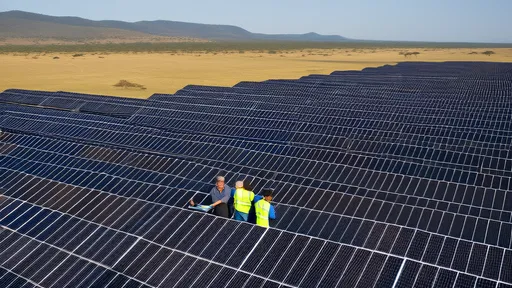
Central to this investment thesis is the explosive potential of the new energy sector. The PIF is deploying capital into a wide spectrum of opportunities, including solar and wind power generation, battery storage technology, electric vehicle (EV) manufacturing, and green hydrogen projects. This focus dovetails perfectly with the ambitious carbon neutrality pledges made by numerous Asia-Pacific nations. China, the world's largest renewable energy market, is a particular area of interest, with the PIF seeking partnerships and direct investments in companies leading the charge in solar panel manufacturing and EV supply chains.
Beyond the sheer scale of the renewable market in Asia, the PIF's investments are strategically aimed at acquiring knowledge and technological expertise. The goal is to repatriate this know-how to accelerate the development of Saudi Arabia's own domestic new energy industry, a cornerstone of the Vision 2030 plan. Projects like the monumental NEOM smart city and the Red Sea Global tourism project require world-class, sustainable infrastructure, and the PIF's Asian investments serve as a direct pipeline for the technology and partners needed to bring these visions to life.
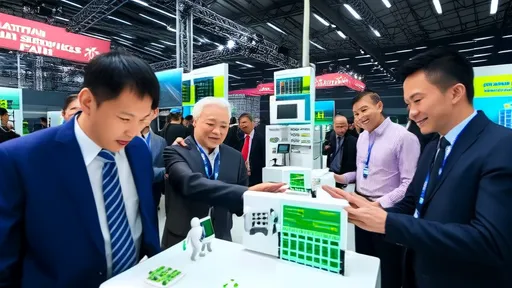
Parallel to its green energy ambitions, the PIF is making deep inroads into the Asia-Pacific technology landscape. The fund is actively targeting investments in artificial intelligence, semiconductors, fintech, biotechnology, and e-commerce. This tech-centric approach is a recognition that future economic dominance will be inextricably linked to technological innovation. South Korea and Taiwan, with their dominance in semiconductor manufacturing, are key destinations for capital, as securing access to critical components and expertise is deemed a matter of national strategic importance.
Furthermore, the fund is keen on tapping into the vast digital consumer markets of Southeast Asia and India. By investing in leading tech unicorns and venture capital funds focused on these regions, the PIF gains exposure to the high-growth potential of their digital economies. This is not passive investment; it is about forming strategic alliances that can facilitate the entry of Saudi tech companies into these markets and foster cross-pollination of ideas and talent between the Kingdom and Asia's innovation hubs.
The manner of these investments is also evolving. While the PIF continues to pursue major direct acquisitions and public market investments, there is a growing emphasis on establishing joint ventures and forming strategic partnerships with leading Asian corporations and state-owned enterprises. This model allows for risk-sharing and provides deeper access to local markets and regulatory frameworks, which can be complex and nuanced for foreign investors. Additionally, the PIF is increasingly co-investing with other major sovereign and private funds in the region, creating powerful syndicates that can undertake transformative projects.
This strategic reorientation is being closely watched by global financial analysts and policymakers. The PIF's aggressive moves are influencing investment trends, prompting other Gulf funds and international investors to take a closer look at the opportunities present in Asia's new energy and tech sectors. The influx of such large-scale, patient capital is a significant boost for Asian companies in these fields, providing them with the funds needed for rapid expansion, research and development, and global competition.
However, this investment strategy is not without its challenges. Geopolitical tensions, particularly between the US and China, create a complex backdrop for cross-border investments. The PIF must navigate these sensitive dynamics with immense diplomatic and strategic acumen. Furthermore, varying regulatory environments, cultural differences, and market volatilities across the diverse Asia-Pacific region require a highly sophisticated and localized investment approach.
In conclusion, the Saudi Public Investment Fund's heightened focus on the Asia-Pacific, with laser-like precision on new energy and technology, is a landmark development in the world of finance. It is a powerful testament to the region's growing economic gravity and its pivotal role in shaping the future of global industry. For Saudi Arabia, these investments are a crucial vehicle for economic transformation, technological acquisition, and securing a influential position in the fast-evolving geopolitical and economic landscape of the 21st century. The eastward flow of capital from Riyadh is more than an investment trend; it is a recalibration of global economic alliances.
By /Sep 16, 2025

By /Sep 16, 2025
By /Sep 15, 2025

By /Sep 15, 2025
By /Sep 15, 2025

By /Sep 15, 2025

By /Sep 15, 2025

By /Sep 15, 2025

By /Sep 16, 2025
By /Sep 15, 2025

By /Sep 15, 2025
By /Sep 15, 2025
By /Sep 15, 2025

By /Sep 16, 2025
By /Sep 16, 2025

By /Sep 16, 2025
By /Sep 16, 2025
By /Sep 16, 2025
By /Sep 16, 2025

By /Sep 16, 2025