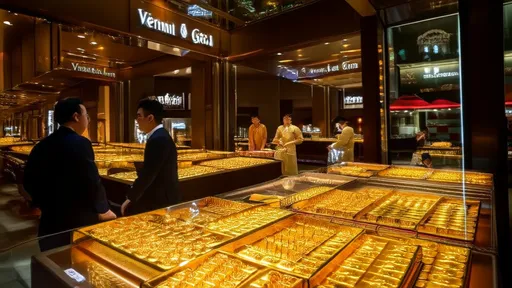
Vietnam's recent decision to end the state monopoly on gold bar production marks a pivotal shift in the nation's precious metals market, signaling a new era of competition and potential transformation. For decades, the State Bank of Vietnam (SBV) held exclusive rights to produce gold bars, primarily through the Saigon Jewelry Company (SJC), which became the country's benchmark for gold trading. This move, part of broader economic reforms, is expected to liberalize the market, attract private investment, and align Vietnam more closely with global practices.
The monopoly, established to stabilize the gold market and curb inflation, had long been a subject of debate. While it provided a centralized control mechanism, critics argued it stifled innovation, limited consumer choice, and created disparities between domestic and international gold prices. The SBV's gold bars, particularly the SJC brand, often traded at a premium compared to global rates, leading to a fragmented market where unofficial transactions thrived. By opening production to private entities, the government aims to address these inefficiencies and foster a more transparent and competitive environment.
Industry analysts anticipate that the deregulation will encourage several major domestic and international players to enter the gold bar production sector. Companies with existing expertise in jewelry and precious metals, such as PNJ, DOJI, and Phu Quy, are likely to expand their operations, leveraging their reputations to compete with the state-produced SJC bars. This increased competition could drive down premiums, reduce costs for consumers, and enhance the overall quality and diversity of gold products available in the market.
Moreover, the liberalization is expected to have ripple effects beyond production. It may lead to the development of more sophisticated gold trading platforms, improved hedging instruments, and greater integration with global markets. Vietnamese investors, who have traditionally viewed gold as a safe-haven asset, might benefit from more stable pricing and increased liquidity. However, challenges remain, including ensuring strict quality control, preventing counterfeit products, and managing the transition without causing market volatility.
The government's decision also reflects a strategic alignment with Vietnam's economic goals, including reducing dollarization and strengthening the Vietnamese dong. By creating a more robust and competitive gold market, authorities hope to discourage hoarding of foreign currency and gold, encouraging instead investment in financial instruments that support economic growth. This move is part of a series of reforms aimed at modernizing the financial sector and enhancing Vietnam's attractiveness to foreign investors.
In the short term, market participants may experience some turbulence as new producers enter the scene and established norms are challenged. The SBV will likely retain a significant role, particularly in setting standards and monitoring compliance, to ensure a smooth transition. Over time, however, the influx of competition is poised to reshape Vietnam's gold landscape, making it more dynamic, efficient, and aligned with international standards. This historic shift not only impacts the precious metals industry but also symbolizes Vietnam's ongoing commitment to economic liberalization and market-driven growth.

By /Sep 16, 2025

By /Sep 16, 2025
By /Sep 15, 2025

By /Sep 15, 2025
By /Sep 15, 2025

By /Sep 15, 2025

By /Sep 15, 2025

By /Sep 15, 2025

By /Sep 16, 2025

By /Sep 15, 2025

By /Sep 15, 2025

By /Sep 15, 2025

By /Sep 15, 2025

By /Sep 16, 2025

By /Sep 16, 2025

By /Sep 16, 2025

By /Sep 16, 2025

By /Sep 16, 2025

By /Sep 16, 2025

By /Sep 16, 2025