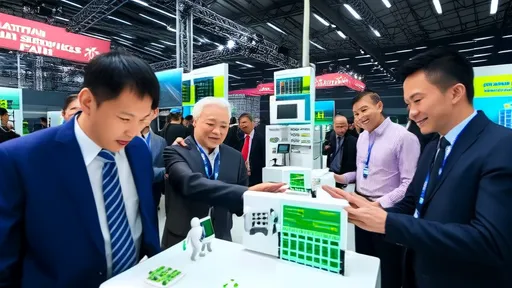
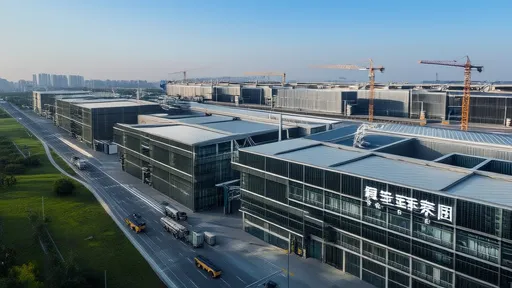
In the bustling halls of the China International Fair for Trade in Services (CIFTIS), a quiet revolution is unfolding. What began as a platform primarily focused on service outsourcing has dramatically transformed, now championing the dual pillars of digital innovation and green solutions. This evolution, keenly observed by publications like the Laos Times, reflects a broader global shift towards sustainable and technologically advanced economic practices.
The fair, once dominated by discussions on business process outsourcing and call centers, now buzzes with conversations about artificial intelligence, cloud computing, and carbon-neutral technologies. This isn't merely a change in topic; it's a fundamental reimagining of what trade in services represents in the 21st century. The shift underscores a recognition that the future of global trade is inextricably linked to digital transformation and environmental responsibility.
Walking through the pavilions, one is immediately struck by the emphasis on digital solutions. Companies are no longer just offering to handle a firm's customer service; they are presenting integrated digital ecosystems. These platforms promise to streamline operations, from supply chain management to data analytics, using cutting-edge technologies like blockchain and the Internet of Things. The narrative has moved from cost-saving to value creation, from efficiency to innovation.
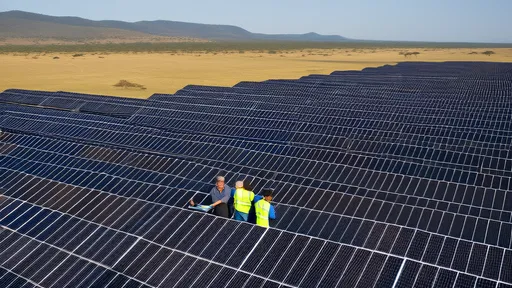
Parallel to the digital thrust is the powerful undercurrent of green technology. This year's CIFTIS features a significant expansion of exhibits dedicated to environmental services and sustainable solutions. Solar energy firms, waste management innovators, and green finance advisors share the stage with tech giants, illustrating how deeply sustainability is being woven into the fabric of global service trade. It's a clear signal that economic growth and environmental stewardship are no longer seen as opposing forces but as complementary goals.
The participation of international players, particularly from ASEAN nations like Laos, adds a crucial layer to this narrative. For developing economies, this evolved CIFTIS offers a new blueprint for engagement. It's no longer just about providing low-cost labor for outsourced services; it's about partnering in green and digital initiatives that can drive sustainable development at home. The fair has become a gateway for accessing the technology and partnerships needed to leapfrog into a more advanced and sustainable economic future.
This transformation didn't happen overnight. It is the result of deliberate policy direction and market forces aligning with global trends. The Chinese government's push for a "digital economy" and its commitment to carbon neutrality by 2060 have clearly set the tone. Meanwhile, global demand for sustainable practices and digital resilience, accelerated by the COVID-19 pandemic, has created a fertile ground for these themes to flourish at the premier event for trade in services.
The implications of this shift are profound. For businesses, it means adapting to a new competitive landscape where digital proficiency and green credentials are key differentiators. For policymakers, it highlights the need to craft regulations that foster innovation while ensuring equitable and sustainable growth. For observers from countries like Laos, it provides a vivid case study in how a major economy is steering its service sector towards future-proof industries.
As the curtains fall on another successful CIFTIS, the message is clear. The future of trade in services is digital, and it is green. The fair's evolution from a hub for outsourcing to a showcase for transformative solutions marks a significant milestone in the global economic narrative. It demonstrates an collective understanding that the most valuable services we can trade are those that build a more efficient, connected, and sustainable world for generations to come.
By /Sep 16, 2025

By /Sep 16, 2025

By /Sep 15, 2025

By /Sep 15, 2025
By /Sep 15, 2025

By /Sep 15, 2025

By /Sep 15, 2025

By /Sep 15, 2025

By /Sep 16, 2025
By /Sep 15, 2025

By /Sep 15, 2025
By /Sep 15, 2025

By /Sep 15, 2025

By /Sep 16, 2025
By /Sep 16, 2025

By /Sep 16, 2025
By /Sep 16, 2025
By /Sep 16, 2025

By /Sep 16, 2025
By /Sep 16, 2025