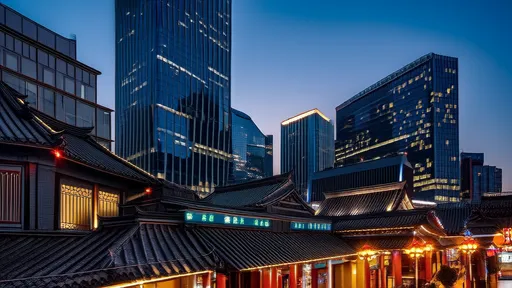
The recent China International Fair for Trade in Services (CIFTIS) has once again underscored Beijing's unwavering dedication to fostering a more open and accessible economic landscape. Against the backdrop of global economic uncertainties and rising protectionist tendencies, the event served as a powerful platform to reaffirm China's commitment to high-standard liberalization and its resolve to simplify foreign investment rules. The fair, which attracted participants from across the globe, highlighted not only the nation's growing prowess in the services sector but also its strategic intent to integrate more deeply with the world economy.
According to coverage by Yahoo Finance, the overarching theme of this year’s CIFTIS was centered on “high-level opening up,” a phrase that has become synonymous with China’s recent policy direction. Officials and business leaders alike emphasized the country’s efforts to create a more favorable environment for foreign enterprises, with a particular focus on reducing barriers and streamlining administrative procedures. This push is seen as a critical component of China’s broader strategy to sustain economic growth and enhance its global competitiveness amid shifting international dynamics.
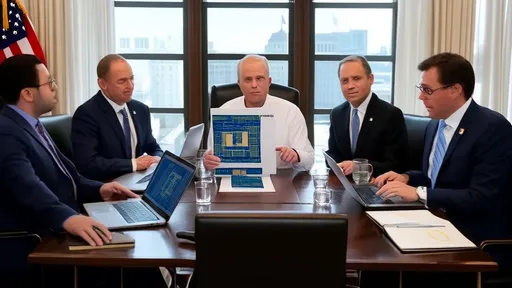
One of the most significant announcements at the fair pertained to the simplification of foreign investment rules. For years, foreign companies have cited regulatory complexity and market access restrictions as major hurdles to operating in China. In response, authorities have rolled out a series of measures aimed at addressing these concerns. These include shortening the negative list for foreign investment, which explicitly outlines sectors where foreign capital is restricted or prohibited. By trimming this list further, China is effectively opening up more industries to international players, signaling a concrete step toward greater market liberalization.
The implications of these changes are profound. For foreign businesses, the eased regulations mean fewer bureaucratic obstacles and a clearer pathway to establishing and expanding operations in China. This is especially pertinent in high-value service sectors such as finance, telecommunications, and healthcare, where foreign participation has traditionally been limited. The move is expected to attract a fresh wave of investment, fostering innovation, enhancing service quality, and ultimately benefiting Chinese consumers through increased choice and competition.
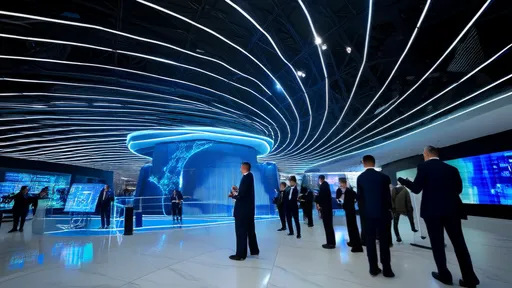
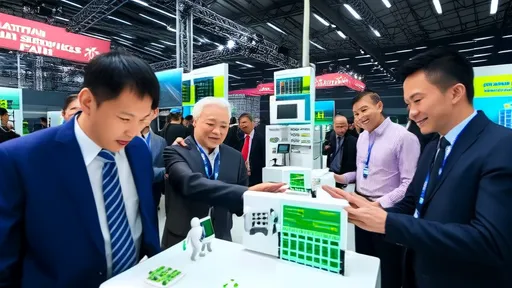
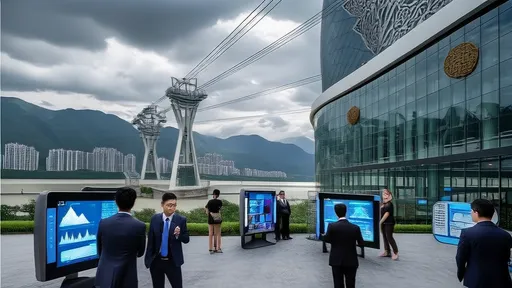
Moreover, the fair showcased China’s advancements in digital trade and emerging technologies, areas where the country is rapidly asserting itself as a global leader. From artificial intelligence and cloud computing to fintech and e-commerce, Chinese firms displayed cutting-edge innovations that are reshaping the services landscape. This technological edge, combined with a more open investment climate, positions China as an attractive destination for foreign tech companies seeking collaboration and market entry opportunities.
Beyond economic considerations, the event also carried significant geopolitical weight. At a time when some Western nations are adopting more inward-looking policies, China’s emphasis on openness serves as a contrast, reinforcing its image as a proponent of globalization and multilateral cooperation. This alignment with global economic integration helps bolster China’s soft power and strengthens its role in shaping international trade norms and standards.
However, challenges remain. Despite the positive developments, some foreign investors continue to express concerns about issues such as intellectual property protection, regulatory transparency, and a level playing field between domestic and international firms. Addressing these lingering doubts will be crucial for China to fully realize its vision of high-level opening up and to build lasting trust with the global business community.
In conclusion, the Service Trade Fair has effectively highlighted China’s proactive steps toward creating a more open and inviting economy. By simplifying foreign investment rules and promoting sectoral liberalization, Beijing is not only enhancing its own economic resilience but also contributing to global trade stability. As the world watches closely, the implementation of these commitments will determine whether China can truly solidify its reputation as a reliable and forward-thinking partner in the international arena.
By /Sep 16, 2025

By /Sep 16, 2025
By /Sep 15, 2025

By /Sep 15, 2025
By /Sep 15, 2025

By /Sep 15, 2025
By /Sep 15, 2025
By /Sep 15, 2025

By /Sep 16, 2025
By /Sep 15, 2025

By /Sep 15, 2025
By /Sep 15, 2025
By /Sep 15, 2025
By /Sep 16, 2025

By /Sep 16, 2025
By /Sep 16, 2025
By /Sep 16, 2025
By /Sep 16, 2025
By /Sep 16, 2025

By /Sep 16, 2025